There was a time when drinking a lot at a party felt normal. It was seen as fun, as part of fitting in. But now, things are changing. More people are starting to pay attention to how alcohol makes them feel. They still enjoy a glass of wine or a cocktail, but they don’t want the heavy side effects the next day. This shift has given rise to what many call the “wellness-first” drinker.
Table of Contents
A New Way Of Thinking About Drinking
This new approach isn’t about giving up alcohol fully. It’s not about strict rules or being judged. Instead, it’s about balance. Many adults are realizing that their bodies feel better with moderation. They want to wake up without headaches. They want to sleep better at night. And they don’t want to carry the anxiety or fatigue that often follows after drinking too much.
The Sober Curious Movement
There’s a growing group of people who call themselves “sober curious.” They’re not fully sober, but they like exploring life with less alcohol. They ask themselves why they drink in the first place. They test what happens when they cut back. For many, it brings clarity and more control. It helps them see that alcohol doesn’t need to control social events.
This is different from abstinence, which is about stopping completely. Sober curious people still enjoy a drink. They just don’t want to feel dependent on it. This way of thinking has opened up a more relaxed and healthier relationship with alcohol.
Why Next-Day Symptoms Are A Big Deal
Headaches, poor sleep, and even anxiety after drinking are no longer hidden topics. People talk about them openly now. Everyone knows that one night of heavy drinking can throw off the entire next day. It affects energy, mood, and focus. In a world where wellness and productivity matter so much, these side effects feel too costly.
For some, even a few drinks can lead to tossing and turning at night. For others, it’s the pounding head or a foggy mind the next morning. This is why conversations about balance are getting louder. People want the enjoyment of a drink without the long list of drawbacks.
The Rise Of Non-Alcoholic Options
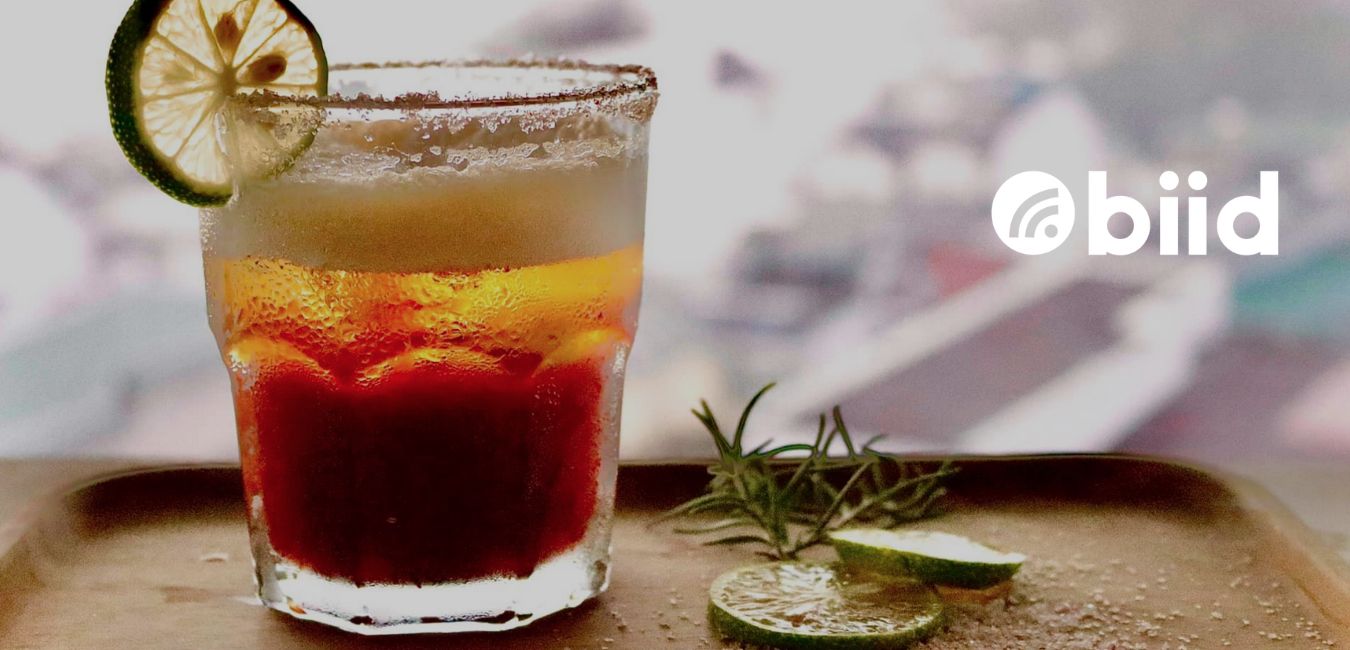
Bars and restaurants are catching on too. You’ll now find mocktails and non-alcoholic spirits on almost every menu. They look beautiful, taste good, and help people stay part of the fun without the side effects. For many, this is a way to socialize without pushing their body too hard.
Social norms are shifting. No one looks at you strangely anymore if you order a mocktail. In fact, many people admire the choice. It shows confidence and self-awareness. It shows that you care about how your body feels more than following old drinking habits.
The Wellness-First Mindset
Health-conscious adults today care about more than just fitness. They think about sleep, skin health, mental clarity, and energy. Drinking too much doesn’t match with these goals. Moderation, however, feels in line with a lifestyle built on wellness.
This doesn’t mean giving up joy. It means enjoying it differently. Having two glasses of wine instead of four. Choosing a non-alcoholic option when the mood strikes. Or taking steps that reduce discomfort when you do decide to drink.
New Tools That Make A Difference
This is where new products are also playing a role. Some people are turning to tools that help them feel better when drinking. One of these is ALKAA, designed to prevent hangover-like symptoms. It works by removing certain compounds before they cause discomfort. For people who still want to enjoy a glass or two, this kind of support makes moderation feel even easier.
The best part is that it’s not about replacing willpower. It’s about helping your body handle alcohol in a smarter way. It gives people more control over how they want to feel without having to avoid drinking altogether.
How Social Pressure Is Fading
Not long ago, saying “I’m cutting back” at a party meant a long explanation. Today, it’s celebrated. Social pressure to drink more is slowly fading away. People respect those who know their limits. In fact, moderation is becoming a kind of status symbol. It shows self-respect. It shows care for your own health.
This change is also supported by the rise of wellness culture. Fitness, healthy food, mindfulness, and better sleep routines all tie into the same idea. Alcohol, like everything else, needs balance.
Tips For Mindful Drinking
Mindful drinking doesn’t mean you need to count every sip. It just means being aware. Here are a few ways many people approach it in everyday life: they drink water between cocktails. They eat food before or while drinking. They notice how different drinks affect their body and choose what feels better. Some even set a limit before the night begins.
The point isn’t to follow a strict rulebook. The point is to be intentional. To know that you can enjoy alcohol without losing control of how you want to feel.
The Confidence Of Choosing Less
For many, choosing moderation feels like strength. It’s not about missing out. It’s about gaining clarity, health, and better mornings. People are finding pride in saying no to that extra round. They’re enjoying the freedom of waking up clear-headed and refreshed.
In this way, moderation has become more than just a personal choice. It’s now a social signal too. It shows that you value your health, your time, and your energy. That is why wellness-first drinking is becoming a lifestyle trend across the world.
Looking Ahead
The future of drinking looks more balanced. It’s not about everyone stopping. It’s about everyone feeling free to choose what works best for them. With more non-alcoholic options, new tools like ALKAA, and less pressure from society, the shift is only growing stronger.
As wellness continues to guide lifestyle choices, moderation will keep gaining value. People don’t want to give up joy. They just want to enjoy it without paying a high price afterward. That is what makes the wellness-first drinker a new symbol of confidence and balance.


