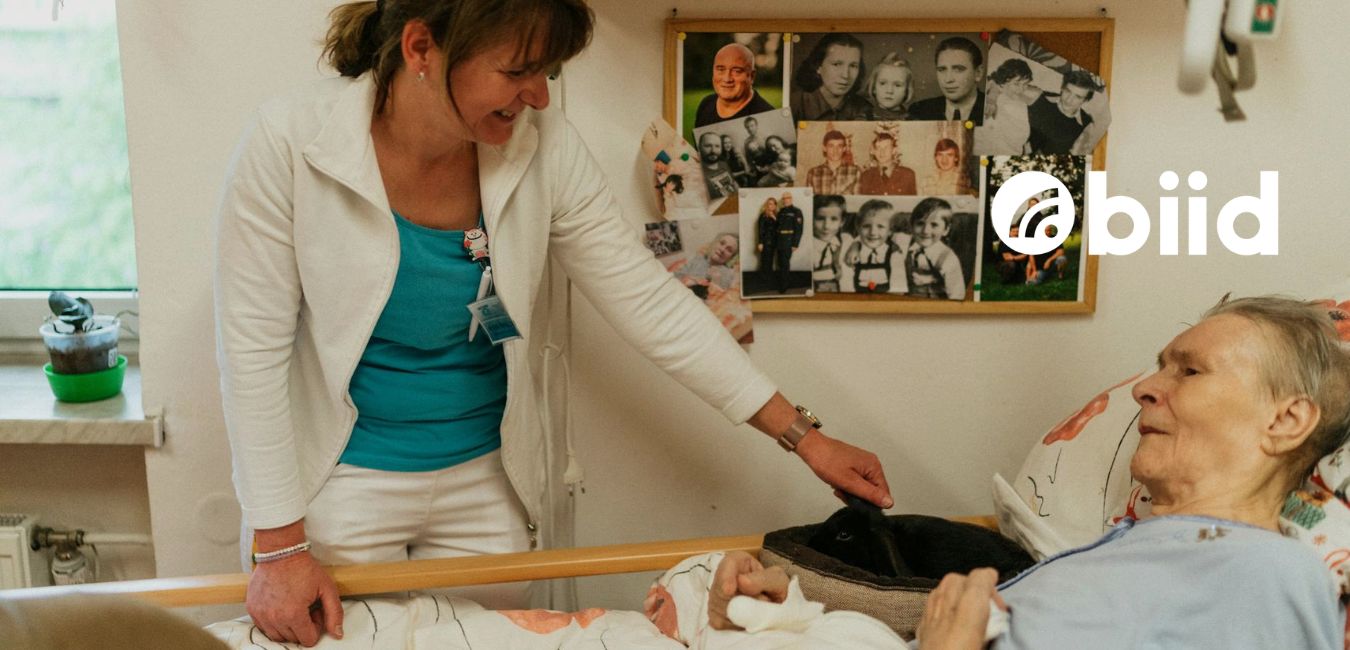
Caring for another person sits at the center of every healthy society. It shows up in quiet moments, shared meals, and steady help with daily tasks. Across history, families and communities have shaped ways to look after older adults and people living with illness or disability. This article looks at what quality care means, how home-based support grew, and what everyday caregiving teaches us about dignity and connection.
Table of Contents
A Brief Look At Home-Based Care
Home-based care refers to services that help people remain in their own homes while receiving assistance. These services can include help with bathing, dressing, meal preparation, medication reminders, and companionship. Medical tasks such as wound care or therapy can also take place at home when licensed staff are involved.
Before modern hospitals, most care happened at home. Family members and neighbors shared responsibility. In the early 20th century, hospitals expanded, and care shifted away from homes. Later decades brought renewed interest in home support as people sought comfort and familiarity while aging.
According to the World Health Organization, populations over age 65 are growing faster than any other age group. This shift has renewed focus on care models that respect independence while meeting real needs.
What Quality Care Looks Like In Daily Life
Quality care is more than a checklist. It blends practical help with emotional awareness. Small actions shape trust over time.
Common elements include:
- Respect for personal routines and preferences
- Clear communication with families
- Consistent scheduling to build familiarity
- Attention to safety and comfort
A nurse educator once shared this thought in a training seminar: “People remember how care feels long after they forget the tasks.” That idea guides many caregivers as they move through long days.
The Role Of Companionship
Loneliness has become a public health topic. Studies from the National Institute on Aging link social isolation with higher risk of depression and cognitive decline. Companionship in care settings can reduce those risks.
Companionship does not require constant conversation. Sitting together, sharing a television show, or taking a short walk can offer comfort. These moments give structure to the day and help people feel seen.
For many receiving care, companionship ranks as high as physical help. Feeling valued shapes mental health and outlook.
Understanding Common Care Roles
Care at home involves several roles. Understanding these roles helps families plan and communicate better.
| Role | Typical Responsibilities | Training Level |
| Family caregiver | Daily support, emotional care | Informal |
| Home care aide | Personal care, light chores | Short-term training |
| Certified nursing assistant | Personal care, basic health tasks | State certification |
| Registered nurse | Medical care, assessments | Nursing license |
Each role fills a different need. Clear boundaries prevent confusion and stress.
A Short Case Example
Maria, age 78, lived alone after her partner passed away. Arthritis limited her mobility, and she worried about falling. Her daughter lived several hours away and could not visit often.
With regular home support, Maria received help with meals and light exercise. The caregiver learned Maria’s favorite recipes and music. Over time, Maria reported better mood and fewer hospital visits. Her daughter felt relief knowing someone checked in daily.
This story mirrors findings from AARP research showing that steady home support can reduce emergency room visits for older adults.
Communication As A Foundation
Strong communication keeps care on track. It involves listening as much as speaking. Caregivers often serve as bridges between clients and families.
Helpful communication habits include:
- Writing clear daily notes
- Asking open-ended questions
- Confirming understanding
- Sharing changes in condition early
These habits prevent small issues from growing larger.
Training And Ethics In Care Work
Care work carries ethical weight. Caregivers enter private spaces and handle sensitive tasks. Training often covers topics such as privacy, consent, and cultural respect.
Ethics also include recognizing limits. Knowing when to call a nurse or emergency service protects both caregiver and client. Professional boundaries guard against burnout.
Experts from the Journal of Gerontological Nursing stress that ethical awareness supports safer, more respectful care relationships.
Technology In The Home Setting
Technology now plays a quiet role in care. Simple tools support safety and communication.
Examples include:
- Medication reminder apps
- Fall detection sensors
- Video calls with family
- Electronic care logs
These tools support human care rather than replace it. Clear instructions and patient teaching remain important, especially for older adults unfamiliar with devices.
Emotional Impact On Caregivers
Caregiving brings rewards and strain. Emotional fatigue can appear when support systems are thin. Signs include sleep trouble, irritability, and withdrawal.
Healthy coping habits help:
- Regular breaks
- Peer support groups
- Clear schedules
- Honest conversations about limits
Organizations such as the Family Caregiver Alliance publish guides that encourage self-care as part of responsible caregiving.
Language And Respect
Words shape experience. Using respectful language preserves dignity. Terms like “client” or “person receiving care” place the person first, not the condition.
Listening to how individuals describe themselves offers guidance. Respect grows when care adapts to personal identity and history.
Cultural Awareness In Care
Cultural awareness supports trust. Food preferences, religious practices, and family roles vary widely. Asking questions shows respect.
A study in Health Affairs found that culturally aware care improves satisfaction and adherence to care plans. Simple steps like learning greeting customs or dietary needs make a difference.
Planning Ahead
Planning helps families avoid crisis decisions. Early conversations about preferences, finances, and legal documents guide future care.
Topics to cover include:
- Advance directives
- Emergency contacts
- Preferred routines
- Financial planning
Clear plans reduce stress and support smoother transitions.
A Broader View Of Support
Home-based care reflects shared responsibility. It draws on families, trained workers, and community resources. At its best, it balances safety with independence.
Many people search online for examples and stories that explain care in real terms. Reading about experiences connected to We Care Home Care can offer one such perspective within the wider conversation on support and dignity.
Closing Thoughts And Next Steps
Care at home blends history, skill, and compassion. It grows from simple human needs: safety, connection, and respect. As populations age, these needs remain constant.
Readers interested in learning more can explore public health resources from groups like the World Health Organization, AARP, and the National Institute on Aging. These sources provide research, planning tools, and education for families and caregivers alike.
Understanding care helps communities prepare for the future. Thoughtful support today shapes well-being for years ahead.