There is a persistent assumption that a beach holiday and a fitness routine are mutually exclusive — that the sunlounger wins by default and the gym bag stays zipped for the week. Cyprus makes a reasonable case against that assumption. The island has the climate, the terrain, and the infrastructure for genuine activity almost the entire year, and Lordos Beach Hotel & Spa in Larnaca happens to sit at a useful midpoint between the two: close enough to the island’s outdoor pursuits to make use of them, equipped enough on-site that you don’t need to leave the property to do a proper workout.
Here are seven ways to stay moving during a stay in Cyprus, on the hotel grounds and beyond them.
Table of Contents
Outdoor Activities And Fitness Experiences In Cyprus
1. Padel
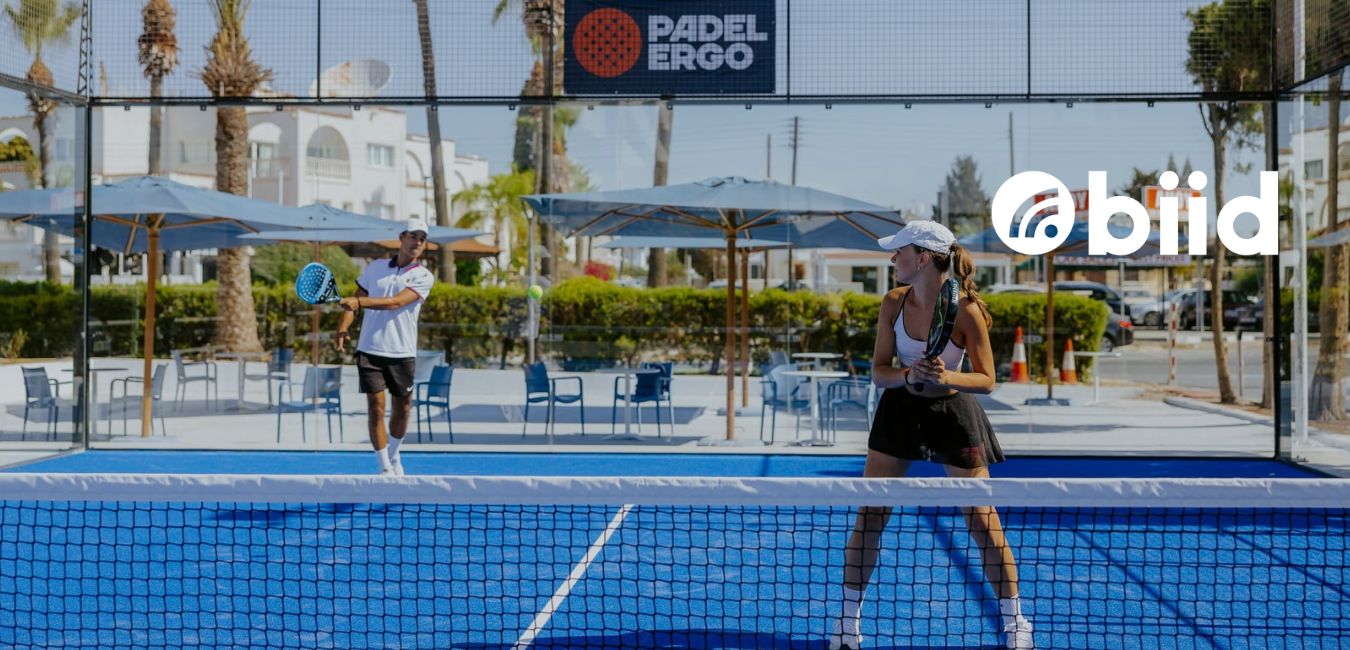
Padel has become the fastest-growing racquet sport in Europe over the past several years, and Cyprus has not been an exception — courts have opened across the island’s resort towns at a rate that suggests genuine demand rather than a passing trend. The appeal is straightforward: it is more forgiving than tennis for newcomers, more social by design (always doubles, always close quarters), and intense enough to count as a proper session without requiring a season of practice first.
Lordos has its own modern padel court on-site, open to both hotel residents and non-residents, with rackets and balls available to rent for anyone who didn’t pack their own. It is, in practical terms, one of the easiest ways to fit a genuine sporting activity into an otherwise relaxed holiday — booked at the front desk, played in under an hour, and done before the heat of the afternoon sets in.
2. Coastal Cycling
Larnaca’s coastline lends itself to cycling in a way that a lot of the island’s more dramatic interior doesn’t — flat, well-surfaced, and scenic without the climbing that the Troodos foothills demand. Routes running along the Larnaca tourist beach toward Meneou, or inland toward Voroklini Hill, are popular with both casual riders and the more serious cyclists who treat Cyprus as a winter training base, taking advantage of mild temperatures when much of northern Europe is not riding outdoors at all.
Lordos maintains a set of cycling routes for guests, which removes the planning overhead of working out where to ride from scratch. It is a low-impact way to cover real distance, see more of the coastline than a walk would allow, and get a cardiovascular session done before breakfast.
3. Swimming — Sea And Pool
Open-water swimming in Larnaca Bay is close to ideal for most of the year: minimal current, no tide to speak of, and water temperatures that stay swimmable from April through to late October. For visitors who want structured lap swimming rather than open water, or who are travelling outside the warmest months, Lordos’s cascading outdoor pools and heated indoor pool (running roughly November to April) cover the gap. Between the two, there is rarely a day in Cyprus where a proper swim isn’t on the table.
Swimming is also one of the few forms of exercise that genuinely suits a holiday rhythm — low-impact, restorative, and easy to combine with everything else on this list rather than competing with it for energy.
4. Watersports
Cyprus’s coastline is set up for watersports in a way that few Mediterranean destinations can match at this scale: windsurfing, sailing, jet skiing, water-skiing, and parasailing are available at most coastal resort towns, with consistent wind conditions making spots like the wider Larnaca and Ayia Napa coastline genuinely popular among more serious wind and kite-surfers, not just holidaymakers giving it a try.
Lordos runs its own watersports operation directly from the beach in front of the hotel — windsurfing, sailing, and jet ski lessons available without needing to travel to a separate watersports centre. For anyone who wants an activity that combines cardiovascular effort, balance, and core strength with simply being on the water, this is as direct a route to that as exists on the island.
5. Gym Training
For visitors who prefer a structured indoor session over an activity dictated by weather or tide, Lordos has an on-site gym as part of its broader leisure facilities. It is a straightforward, no-frills space for guests who want to maintain a routine rather than abandon it for the week — useful for anyone training for something specific, or simply unwilling to lose a week’s consistency to a holiday.
The advantage of training inside a hotel rather than a standalone gym is logistical as much as anything: no membership, no travel, no schedule to plan around beyond your own day. It tends to be the difference between a session actually happening and it being deferred indefinitely.
6. Tennis
Tennis in Cyprus benefits from the same climate advantage as most outdoor sport on the island — floodlit, all-weather courts are common, and the Cyprus Tennis Federation runs a programme of local and international tournaments through the year, including winter fixtures that draw competitive players from countries where outdoor tennis isn’t an option in January.
Lordos has its own floodlit tennis court on the property, meaning an evening match is entirely possible without booking ahead at an external club. It is a useful complement to padel for guests who want both racquet sports available without leaving the grounds, and floodlighting means a match doesn’t need to be squeezed into daylight hours around the rest of the day’s plans.
7. Hiking And Walking
Cyprus has more than 30 designated walking trails and over 300km of marked nature paths spanning the coastline, the Troodos foothills, and the Akamas Peninsula, ranging from flat coastal ambles to genuinely demanding mountain routes. The Larnaca district has its own share, including trails through the Rizoelia Forest and the inland villages, reachable within a 30 to 45-minute drive of the hotel for anyone who wants a half-day on foot rather than in the water.
For a lower-commitment version of the same idea, the promenade walk along Larnaca’s Finikoudes seafront, or a walk around the full circuit of the nearby Salt Lake, covers a couple of hours on foot without requiring a car or any specialist gear — a genuinely good way to close out a day that has already involved a swim, a padel match, or a cycle along the coast.
None of this requires turning a holiday into a training camp. Having this much available within a single property, and a short drive of it, makes activity an option rather than a project — something decided on the morning itself, not planned weeks ahead. That tends to be the real difference between staying active on holiday and simply intending to.


