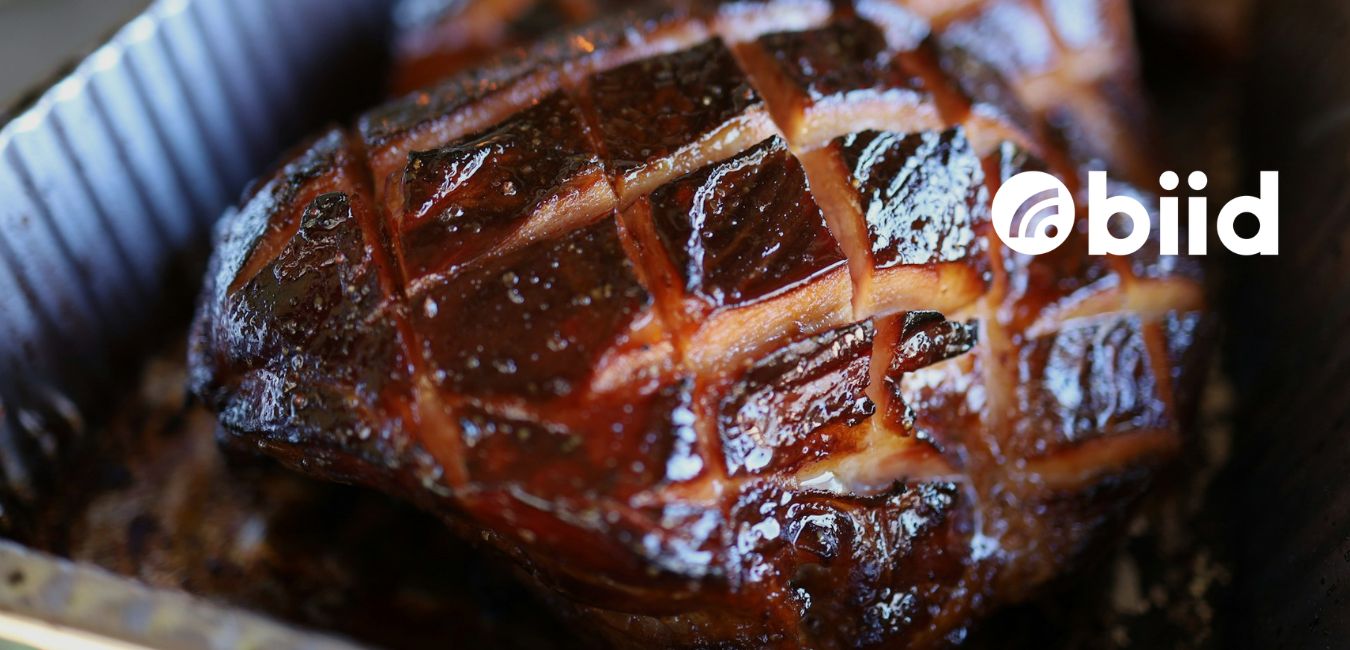
Ham is the forgotten protein of the holiday table. Everyone focuses on turkey or prime rib, but ham holds quiet power: it’s forgiving, it feeds a crowd, and it pairs with almost any side dish you throw at it. The problem isn’t the ham. The problem is that most glazes taste like they were designed in 1987 and never reconsidered. Brown sugar, a slash of mustard, maybe some pineapple juice if you’re feeling adventurous. The glaze ends up sweet, one-dimensional, and forgettable. What transforms ham from obligatory to crave-worthy is understanding that the spice blend matters as much as the glaze base itself. When you layer in bold, fresh seasonings that play against sweetness and bring heat, acid, and smoke into the picture, suddenly ham becomes something people actually want to eat. That’s not just seasoning; that’s strategy.
Table of Contents
Key Takeaways
- Most ham glazes rely on sugar and mustard because home cooks haven’t tried adding depth through bold spice layers.
- The best ham glazes balance sweetness with heat, smoke, and umami for complexity that makes meat memorable.
- Fresh spice blends outperform stale pantry staples because they carry vibrant aromatics that brown sugar alone can’t deliver.
- Strategic seasoning at multiple stages (rub, glaze, finishing) builds flavor that competes with any holiday main course.
Why It Matters
Holiday cooking is one of the few times home cooks have permission to take risks. You’re already investing time, money, and mental energy into the meal. The ham you choose might cost thirty or forty dollars. The vegetables supporting it take careful timing. Everything deserves seasonings that match that effort.
The real issue is that ham glazes have become formulaic. Home cooks inherit recipes from family, or they grab whatever is printed on the side of a bottle at the store. Nobody stops to ask why a glaze should be just sweet, or whether there’s more flavor potential locked inside the cut of meat itself. When you approach ham with the same exploratory mindset you’d use for smoked brisket or braised short ribs, the possibilities expand immediately. A quality spicy ham glaze recipe shows how heat, smoke, and aromatic spices don’t compete with sweetness; they amplify it and add textural contrast that makes each bite interesting.
The Three Mistakes Most Home Cooks Make with Ham
Mistake One: Treating Sugar As The Only Flavor Layer
Brown sugar is easy. You measure it, you mix it with mustard or pineapple juice, you brush it on, and the meat caramelizes. It works. But working isn’t the same as remarkable. Sugar provides sweetness and caramelization, but it tells only one story. The moment you introduce heat, smoke, and savory spice notes, that sugar becomes a supporting player instead of the lead. Habanero, smoked paprika, and garlic powder in a glaze don’t compete with brown sugar; they make the sweetness more noticeable and more complex. The sugar still caramelizes, but now the glaze has depth.
Mistake Two: Applying All Flavor At The End
Most home cooks think of glazing as something you do in the final thirty minutes of cooking. That’s backwards. Strategic seasonings work best when you layer them across the entire cooking timeline. Start with a dry rub that includes spices you’ll echo in the final glaze. This approach means the meat itself carries flavor; it’s not just a vehicle for surface sweetness. The spices penetrate slowly during cooking, building a savory foundation that the glaze can amplify rather than mask.
Mistake Three: Using Old Spices That Lost Their Punch
Home pantries are graveyards of expired spices. A jar of paprika that’s been open for two years tastes like dust. Garlic powder that’s been sitting in the back of the cabinet has lost its aromatic sharpness. When your base ingredients are flat, no amount of technique can rescue them. Fresh spices carry volatile aromatics that make seasoning sing. The difference between a glaze made with stale spices and one made with vibrant, fresh blends is the difference between a dish people eat because it’s tradition and one people ask for seconds of.
Building A Bold Ham Glaze: The Strategy
A truly memorable ham glaze operates like a well-composed dish. You need sweetness, heat, smoke, and umami working in balance. Here’s how to build it:
Start with your sweetness base: Brown sugar, honey, or maple syrup all work. The amount depends on how many people you’re feeding, but generally aim for one cup of sweetness for a ham that serves ten to twelve people.
Add heat and smoke: This is where most glazes fail. Include fresh, aromatic chiles or chile powders (habanero brings fruity heat; cayenne is straightforward and sharp). Add smoked paprika for smoke without actually smoking the ham. These spices should feel present but not overpowering; you want heat you notice, not heat that burns.
Introduce savory depth: Garlic powder, onion powder, or a quality smoked salt bring umami and prevent the glaze from being one-note sweet. These are the flavors that linger after you swallow and make people wonder what you did differently.
Bind it with acid: Mustard (Dijon works better than yellow for sophistication), a splash of apple cider vinegar, or fresh citrus juice keeps the glaze from being cloying. Acid also helps spices shine by cutting through richness.
Finish with aromatics: Black pepper, a pinch of fresh ginger if you have it, or a touch of cumin add aromatic complexity. These don’t need to dominate; they just need to be present enough that someone tasting the glaze notices something is different.
A Real-World Example
Consider a holiday meal with twelve guests. You’re roasting a ten-pound ham and you want it to be the reason people come back to the table. You build a glaze that includes brown sugar and honey for caramelization, fresh habanero for fruity heat, smoked paprika for smoke character, garlic and onion powder for umami, Dijon mustard for acid, and black pepper for aromatic finish.
Before you glaze, you dry-rub the scored surface with a simpler version of the same spice blend. This means the meat itself tastes like the glaze, not just the surface. You roast the ham low and slow, brushing the glaze on in the final forty-five minutes so it caramelizes without burning.
What arrives at the table looks appetizing. What matters more: the first person to taste it finds sweetness, then heat, then a savory undertone, then smoke. The flavors don’t fight; they build on each other. That complexity is what makes ham memorable.
Actionable Takeaways
- Before your next ham, taste your current spices. If any have been open longer than six months, replace them. Stale spices ruin glazes.
- Build a glaze with five distinct flavor layers: sweetness, heat, smoke, umami, and acid. Write them down as you measure; this forces you to think about the structure.
- Apply a dry rub the morning before roasting so spices have time to penetrate the meat surface.
- Brush glaze on during the final forty-five minutes of cooking, not earlier. This prevents burning while allowing proper caramelization.
- Taste the glaze as a separate element before applying it. Adjust acid or heat if it tastes unbalanced; this only takes seconds and saves the entire dish.
Conclusion
Ham doesn’t fail because of the meat or your roasting technique. It fails because the glaze is boring. The moment you approach ham glazing as a flavor-building exercise instead of a box to check off, everything changes. Fresh spices, layered across the cooking timeline, transform ham from forgettable to the dish people talk about long after the holiday ends. That’s not fancy cooking. That’s strategy applied to something your grandparents made, with respect for tradition and permission to experiment.
FAQ
Can I Make The Glaze Ahead Of Time?
Yes. Mix the dry spices and sweetness base together the day before; store in an airtight container. Mix in the wet ingredients (mustard, vinegar, citrus juice) two to three hours before you start roasting so the flavors marry but the acid doesn’t break down the spices. This approach also keeps you from scrambling at the last minute.
What If I Don’t Like Heat In My Ham Glaze?
Skip the habanero or cayenne, but don’t skip spices altogether. Increase smoked paprika slightly for smoke character, and lean into garlic, onion, and black pepper for depth. Sweet, smoky, and savory still beat sweet and nothing else, even without heat.
How Often Should I Brush The Glaze On During Roasting?
Every fifteen minutes during the final forty-five minutes of cooking. This builds layers of caramelization and prevents any one layer from burning. If the top starts browning too fast, tent it loosely with foil and reduce the oven temperature by twenty-five degrees.
Should The Ham Be Scored Before Glazing?
Yes. Scoring the surface in a crosshatch pattern gives the glaze places to pool and helps spices penetrate the meat. Aim for cuts about a quarter-inch deep; don’t go so deep that you hit the bone.
What Size Ham Do I Need For A Holiday Meal?
Plan for about three-quarters of a pound per person if the ham has the bone in; half a pound per person if it’s boneless. A ten-pound ham with the bone feeds roughly twelve to thirteen people with modest serving sizes.
Can I Use This Glaze On Other Proteins?
Absolutely. The same spice blend works on pork chops, chicken thighs, or even salmon. Adjust the sweetness if you’re using fish; use slightly less brown sugar and rely more on the spice layers to carry flavor. The strategy of building sweetness, heat, smoke, and umami translates across proteins.


