
Cardiovascular disease is the leading cause of death in adult Americans, and it affects everyone. Whether you’re a man or woman, whatever your ethnicity or socioeconomic profile, you are more likely to die from heart disease than any other chronic illness.
In 2020 alone, it was responsible for more than 928,000 deaths. It was listed as the cause of death in 41.2% of all adult fatalities, followed by stroke, high blood pressure, heart failure, and diseases of the arteries. This number may have been inflated by COVID-19, but the statistics from previous years are just as startling.
According to the Centers for Disease Control, one adult dies every 33 seconds from a heart-related illness, and one in every five deaths can be directly attributed to cardiovascular illness. On average, about 695,000 people die every year from a condition that is otherwise wholly preventable.
Because of their role in the healthcare system, nurses have had to learn not only how to treat and care for cardiovascular disease patients but also to provide preventive care in a bid to lower the death rate among patients.
Those seeking to do something about this heart-related epidemic should consider enrolling in an online nursing program in Virginia where they will be given a chance to focus on specialties like acute care for the chronically ill, elder care, and surgical nursing. Their training from institutions like Marymount University equips them to work in settings like hospitals, clinics, nursing homes, and even to provide home healthcare. They can expect to tackle cardiovascular disease among their patients, and it is important to know what to do to help prevent it.
A registered RN will encounter patients with heart disease frequently. It may seem like a losing battle, especially when so many Americans die from it every year, but their responsibility as a nurse is to help make this number smaller.
One prevalent question is why cardiovascular disease affects so many people. To answer that, one must take a step back to find out how we got to where we are today.
Table of Contents
A Brief History of Heart Disease in America

It has been called the epidemic of the 20th century and with good reason. It kills more Americans every year than any other chronic illness, and it is an equal opportunity offender.
How did we get here, and what can every nurse do to reverse this trend in their patients?
There is a good chance that coronary heart disease has existed for almost as long as mankind has. Although it is difficult to pinpoint a time in history when we became aware of its existence, researchers have found signs of atherosclerosis in a 3,500-year-old Egyptian mummy.
Researchers theorize that it may have been caused by an extra-rich diet that included lots of fatty meats.
Leonardo da Vinci did some studies on coronary arteries, and although it isn’t very well documented, he may well have been searching for the cause of cardiovascular illness.
The first to try and describe it in modern times was William Heberden in 1768. He believed that heart disease and other related illnesses had something to do with the circulation of blood in the arteries.
Nearly 100 years later, William Osler, who worked at Johns Hopkins, did extensive research into cardiovascular disease. He was convinced that it was a syndrome and not an illness in the traditional way we understand illnesses.
Heart Disease Today
Today, the chief culprits for cardiovascular disease have been listed as poor diet, obesity, and a lack of physical activity. Too many Americans eat all the wrong foods, carry too much weight around, and do not get enough exercise. It leads to all sorts of health problems including heart disease.
An RN’s job is to not only be able to recognize and help treat the symptoms of cardiovascular illness but also do whatever they can to ensure that patients understand risk factors and how to avoid them.
Let’s have a look at some of the things that nurses have done over the years to help combat the number one killer of adults in America.
Raising Awareness in Patients
This is one of the most important things to help reduce the risk of people developing heart disease.
It would be easy to assume that with all the information that is available to the American public, they would know more about heart disease and how to prevent it. Unfortunately, they don’t, and every year tens of thousands are diagnosed with cardiovascular illnesses.

It is difficult to pinpoint exactly where the problem lies, especially because it seems to affect everyone.
RNs are required to educate their patients about the risk factors of heart disease. They have to make patients see that if they keep up their current lifestyles they will likely eventually succumb to it, and the nurse will then discuss what they can actively do to make sure that they don’t.
Nurses often talk to them about factors like diet, the biggest contributing factor to heart disease. This is to make the patient understand that a life of fast food and processed foods can only lead to one place, and they must change how they eat if they want to live longer.
Nurses will also talk to patients about exercise and why it is important. Just looking at the statistics for this illness, we know that we cannot afford to live sedentary lives anymore.
It is the nurse’s responsibility to make sure that patients understand the value of exercise in their overall health as well as in helping prevent heart disease.
To raise awareness, nurses must be familiar with the risk factors, symptoms, and management of cardiovascular disease.
To gain this insight, nurses can read up-to-date material, talk to colleagues, and attend industry events that discuss heart disease and how to prevent it. This can then be used to give the patients the highest-quality information and care.
Often, nurses come across patients who have problems even contemplating a change of lifestyle. They may tell the nurse things like they cannot afford to eat better, or their lifestyles do not allow much time for exercise. The nurse must then have a discussion with them about alternatives.
For example, if a patient tells the nurse that they eat fast food and processed foods because that is all they can afford, the RN can find out how much they spend on food every week and guide them to easily accessible alternatives that cost about the same.
If the patient’s reasoning is that they have very busy jobs that don’t allow much time for exercise, nurses can encourage them to take the stairs instead of the elevator at work, cycle to work if they can, do more gardening, or whatever else can get their hearts pumping and fully active again.
Any changes they are willing to make – however small – will help them lower their risk of succumbing to heart disease.
RNs Should have a Particular Focus on the Family
Everything starts in the home, and if nurses can focus their attention there, they will go a long way in helping to prevent cardiovascular illness.
Good nurses know that to encourage good health in children. For example, they must get the mothers to listen early enough in a child’s life to help them develop good lifestyle habits.

They talk to mothers every chance they get, discussing things like what they feed their babies, children, and teenagers and whether or not they have enrolled them in a sport so that they can get regular exercise.
Nurses also know that should a child or any family member start to display risk factors, communicating with the mother or the head of the household is likely to be more effective than trying to make changes without involving them.
Increase Community Awareness
Heart disease is prevalent in many communities across America. It is present in almost every household and sometimes affects even the very young. Such communities are crying out for interventions, and nurses are in a position to do something about it.
The more people are aware of the risk factors for heart disease in their communities, the more they can work together to improve their lifestyles.
Nurses can hold information drives for adults, the elderly, and teens to help them understand what they are doing that is leading to high rates of disease. They must be prepared to answer as many of their questions as they can and to advocate on their behalf whenever possible. This will help them get the resources they need to improve their lifestyles, especially as regards healthy eating and exercise.
Get the Latest Information about Cardiovascular Disease
Nurses can only teach their patients what they know, so nurses must be proactive when it comes to learning more about heart health. Nurses must get as much material as they can and be familiar with all aspects of the disease – its causes and how it can best be prevented using the resources at hand.
A useful resource for nurses is other practitioners, especially those who specialize in heart disease and cardiovascular illnesses. They can update the nurse about their hands-on experiences and how they deal with different situations, which can be used in the nurse’s own care.
Attending industry events that focus on cardiovascular illness is another way nurses can keep up-to-date with information, practices, and care surrounding the illnesses. Researchers learn new things all the time, and they are discussed in such forums. By regularly attending events, nurses can gain all the latest information to help their patients.
Being Healthy Themselves
It can be difficult to convince patients to change their lifestyles if the nurses themselves don’t follow a healthy lifestyle. Nurses should serve as an example to their patients and make sure to eat a balanced, healthy diet as often as possible, avoid processed foods, and minimize their fast food intake.

If patients see that the ones treating them are healthy and happy, they are likely to strive for the same, and they are more likely to listen to the advice that the nurse gives them.
Get on the Case Early Enough
One of the most effective ways of combating diseases that affect large sections of the population is to start early.
If children and young people grow up knowing all about cardiovascular disease, what causes it, and how it can be prevented, by the time they become adults they are going to do whatever they can to make sure they stay healthy.
They have an accumulated body of knowledge that they can use to guide them in their lifestyle choices.
Their parents and grandparents may be at high risk or already affected, but their generation, because they know about heart illnesses, will do much better.
A nurse can organize with nearby schools to talk to children and teenagers about a disease that is likely to affect them in the future if they don’t begin a lifetime of good habits now.
Get More Educational Qualifications
There are plenty of higher education courses that allow for further specialization which can contribute toward preventing heart disease. These can lean toward research, more in-depth care, or with policy-making to implement practices that can reduce the number of heart disease sufferers.
Learning More About Underlying Conditions that are an Indicator of Heart Disease
People who suffer from type two diabetes and obesity are more likely to develop heart disease than others within the population.
By looking at how other diseases can increase the likelihood of heart disease, nurses can implement care strategies and community understanding with patients to tackle these other illnesses which in turn can help the prevention or treatment of heart disease. Understanding how all these illnesses are interconnected helps nurses create more effective treatment plans for patients.
Be a Good Listener
This is a soft skill that is required in all nurses and helps patients understand the cause of their illness and how they can live healthier lives.
Nurses should take the time to listen to patients as they tell them about their lifestyles and what challenges they face when it comes to good nutrition and exercise.
Nurses shouldn’t make assumptions about why some people are at a higher risk of cardiovascular illness. They should listen to each patient so that they can understand where they are coming from because each person is unique.
Always Explore the Patient’s History
Heart disease does sometimes seem to pass down through families, so the more nurses know about a patient’s history the better they are going to become at predicting whether or not they are high-risk and what they can do to reduce that risk.
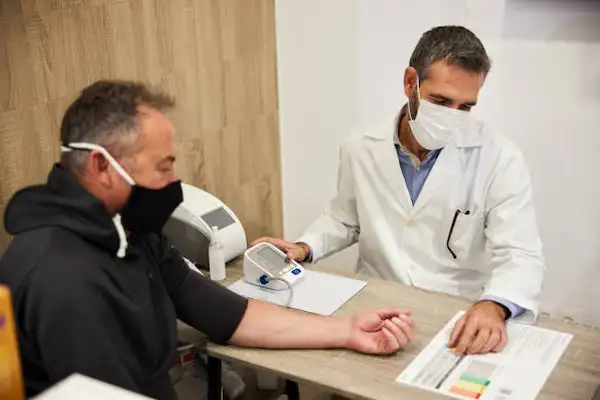
Nurses learn how to collect patient histories in nursing school, and it is often one of their primary responsibilities when they become practicing RN. It involves asking the right questions and listening.
Knowing what to ask allows the nurse to get the sort of information that makes it easier to make a diagnosis and helps the nurse start to get an idea about the level of risk the patient faces.
Tackling Heart Disease is Paramount in Nursing
With heart disease the biggest killer in America, nurses must prioritize the prevention of the disease and care for those suffering from it.
By discussing how lifestyle, diet, habits, and other diseases can contribute to heart problems, nurses can improve the health of their communities. RNs are in a unique position to pass on information and education about cardiovascular illness. Nurses ought to take a keen interest in heart disease if they hope to reduce its prevalence in America.
Nurses can seek out the most up-to-date information about the disease, which can allow them to provide the best knowledge and care to their patients. But also, by showing an interest in their patients’ lifestyles, family histories, and circumstances, nurses can create functional treatment plans.
Implementing these practices will allow nurses to tackle this leading cause of death and hopefully bring about a better quality of life for many patients.


