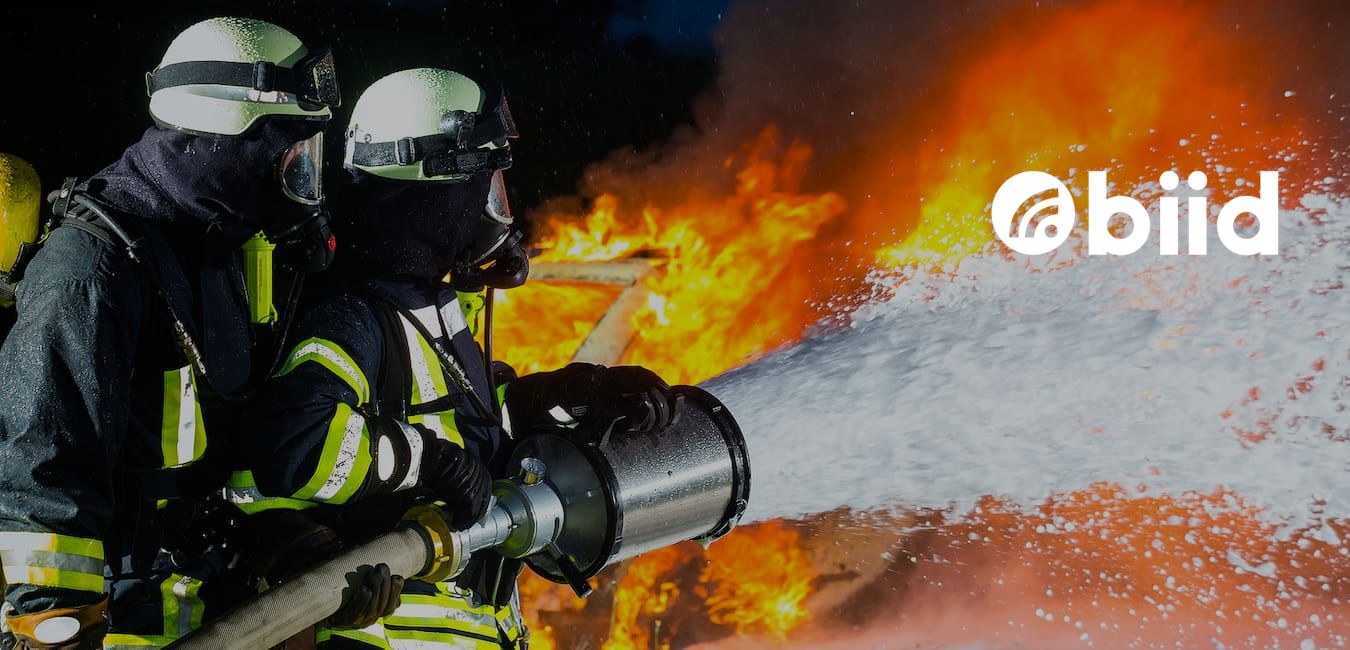
Firefighting foam, a critical component in combating hazardous fires, has a rich history dating back to ancient times. From rudimentary methods to the sophisticated formulations of today, the evolution of firefighting foam is a testament to human advancement.
However, this journey is not without its controversies, with recent developments raising concerns about environmental impact and health risks. Tracing the timeline of firefighting foam unveils a fascinating narrative that spans centuries, highlighting advancements, challenges, and the ongoing debate surrounding its usage.
In this article, we will explore the evolution of firefighting foam from ancient techniques to present controversies, addressing environmental and health concerns.
Table of Contents
Ancient Innovations
In the annals of firefighting history, the earliest attempts to control flames trace back to ancient civilizations. Mesopotamians, for instance, utilized a precursor to foam by combining water with substances like sand, clay, and animal fat. It functioned as an early form of fire retardant.
According to City Fire Protection, ancient Rome furthered these efforts with the introduction of bucket brigades. These bucket brigades would pass water with their hands to extinguish flames in the case of a fire. The ancient Greeks also developed their own firefighting tactics, employing enormous sponges to absorb water.
However, it wasn’t until the Byzantine Empire that more deliberate chemical approaches surfaced. They incorporated substances like alum and copper sulfate into their firefighting repertoire, marking a crucial step toward the chemical-based solutions we use today.
The Emergence Of Chemical Foam
The 19th century witnessed a pivotal shift in firefighting techniques with the emergence of chemical foams. The transition from traditional methods to chemically engineered solutions saw experimentation with soap-based compounds.
The use of animal-derived fats and proteins also played a significant role in enhancing the foaming capabilities. However, these early formulations were often inconsistent and lacked the stability needed for widespread application.
It wasn’t until the mid-20th century that the introduction of synthetic detergents revolutionized the field. These detergents formed stable and effective foams, becoming the foundation for contemporary firefighting foam technology.
Post-World War Ii Advancements
The aftermath of World War II brought about a seismic shift in firefighting strategies, particularly with the rise of aviation. The war exposed military forces to the challenges of combating fuel-based fires, leading to the development of specialized foams.
The advent of aqueous film-forming foam (AFFF) marked a watershed moment. It proved exceptionally adept at suppressing flammable liquid fires, especially those involving jet fuels. These advancements quickly found applications beyond the military, permeating into civilian firefighting and industrial settings.
Environmental Concerns Surface
While firefighting foam proved invaluable in controlling fires, the latter half of the 20th century unveiled an unintended consequence – environmental pollution. The discovery of persistent organic pollutants, specifically per- and polyfluoroalkyl substances (PFAS), in firefighting foam formulations raised alarms.
PFAS, known for their resistance to heat and water, also exhibited a concerning persistence in the environment. Their presence in water sources triggered environmental concerns, prompting a reevaluation of foam formulations.
Regulatory Responses
In response to growing environmental apprehensions, regulatory bodies worldwide began addressing the use of PFAS-containing foams. The 21st century saw the implementation of measures to limit the discharge and production of these substances.
Various international agreements and national regulations aimed at reducing the environmental impact of firefighting foam culminated in a significant shift toward PFAS-free alternatives. Manufacturers and firefighting agencies globally recalibrated their practices, ushering in a new era of environmental responsibility within the firefighting community.
Health Controversies
Recent years have witnessed a spotlight on the potential health implications associated with PFAS exposure through firefighting foam. According to CHEM Trust, studies linking PFAS to health issues such as immune system disruption, hormonal interference, and certain cancers have spurred rigorous debates.
Firefighters, in particular, face increased scrutiny due to their occupational exposure to these substances. The ethical dilemma surrounding the use of foams containing PFAS has spurred calls for heightened safety standards and the exploration of alternative firefighting solutions.
Afff Lawsuits
According to TorHoerman Law, the intersection of health controversies and AFFF has led to an influx of lawsuits against manufacturers. Individuals are filing legal actions, asserting that manufacturers were aware of the cancer risks associated with AFFF for decades. AFFF, containing per- and polyfluoroalkyl substances (PFAS), has been linked to serious health issues, including cancer.
A recent AFFF lawsuit update notes that there are a staggering 6,994 lawsuits pending in the U.S. District Court of South Carolina. The litigation encompasses claims from individuals across multiple states and water supply companies seeking compensation for filtering AFFF chemicals out of drinking water. These lawsuits reflect a widespread concern about the adverse effects of AFFF on both human health and the environment.
According to Fortune, the AFFF lawsuits have seen significant developments in recent months. In June 2023, 3M proposed a $10 billion settlement in an attempt to resolve the litigation, highlighting the gravity of the concerns surrounding AFFF. However, the settlement is yet to be finalized, leaving the door open for individual lawsuits to proceed against 3M and other manufacturers.
As AFFF lawsuits continue to unfold, questions linger about the industry’s accountability, the effectiveness of proposed settlements, and the long-term impact on affected individuals. The evolving legal landscape underscores the urgent need for comprehensive solutions that address health concerns, environmental impact, and accountability within the firefighting foam industry.
Toward Sustainable Solutions
As the firefighting community grapples with the controversies surrounding traditional foams, a wave of innovation is steering the industry toward sustainable solutions. Researchers and manufacturers are actively exploring biodegradable foam formulations that maintain firefighting efficacy without compromising environmental integrity.
Furthermore, a paradigm shift toward alternative firefighting strategies, such as high-pressure water systems and inert gases, is gaining momentum. This concerted effort toward sustainability signifies a commitment to mitigating the ecological and health concerns associated with firefighting foam.
In conclusion, the evolution of firefighting foam from ancient rudimentary methods to modern chemical formulations reflects human ingenuity in fire control. However, the journey is marred by environmental and health controversies, notably linked to PFAS-containing foams.
Regulatory responses have prompted a shift toward PFAS-free alternatives, but lawsuits against manufacturers underscore the ongoing challenges. The proposed $10 billion settlement by 3M in AFFF lawsuits signals acknowledgment of the gravity of concerns.
As the industry navigates accountability, the emergence of sustainable solutions underscores a commitment to addressing health issues, heralding a transformative era in firefighting.


