What if the first explanation of a yield sign crash leaves out the detail that matters most? Drivers often form an immediate opinion about fault based on who had the sign, where the vehicles stopped, or which vehicle entered the roadway first. Those initial impressions may feel convincing, but they do not always account for traffic speed, sight distance, lane position, or the timing of each driver’s actions.
In Charlotte, a collision near a busy intersection, traffic circle, or highway entrance can unfold in only a few seconds. One driver may believe the other vehicle was far enough away to permit safe entry, while the approaching driver may have been traveling faster than expected or changing lanes. Revisiting those assumptions can reveal why the collision occurred and whether either driver had a reasonable opportunity to avoid it.
Yield sign misunderstandings can affect insurance statements, repair decisions, and the evidence used to evaluate responsibility. People who are uncertain about the process can seek hire auto crash attorneys before accepting an explanation that does not match the available facts. A careful review can help separate a quick assumption from a conclusion supported by photographs, vehicle damage, witness accounts, and other records.
A yield sign does not automatically establish fault against the driver facing it. The surrounding traffic conditions, the movements of both vehicles, and the quality of the available evidence can all affect how an accident is understood. Reviewing those details early can prevent an incomplete account from shaping the entire claim.
Table of Contents
How Yield Sign Confusion Affects An Accident Claim
The central issue in many yield sign crashes is not simply whether a sign was present. The more useful question is whether the driver entered or crossed the roadway when another vehicle presented an immediate hazard. That determination may depend on distance, speed, visibility, road design, and what each driver did immediately before impact.
The conduct of the driver on the through road also deserves attention. Having the right of way does not make speeding, an unsafe lane change, poor lookout, or another questionable action irrelevant. Insurance adjusters may compare both drivers’ accounts with physical evidence before deciding whether one explanation is more credible than the other.
Does A Yield Sign Always Require A Complete Stop?
A yield sign does not always require a driver to stop. It generally requires the driver to slow down, assess approaching traffic, and give way when necessary. A complete stop may become necessary when traffic, pedestrians, limited visibility, or another hazard makes it unsafe to continue.
This distinction is important after a collision. One driver may say, “The other car never stopped,” as though that fact settles responsibility. If there was no approaching hazard that required a stop, the absence of a complete stop may not explain the crash. On the other hand, entering without enough time or space for an approaching vehicle can support an argument that the driver failed to yield.
North Carolina also has specific right of way rules for certain settings. For example, North Carolina law states that a driver approaching a traffic circle must yield to a vehicle already within the circle. Identifying the road configuration is therefore an important part of understanding which rule applied.
What Details Can Change The Initial View Of Fault?
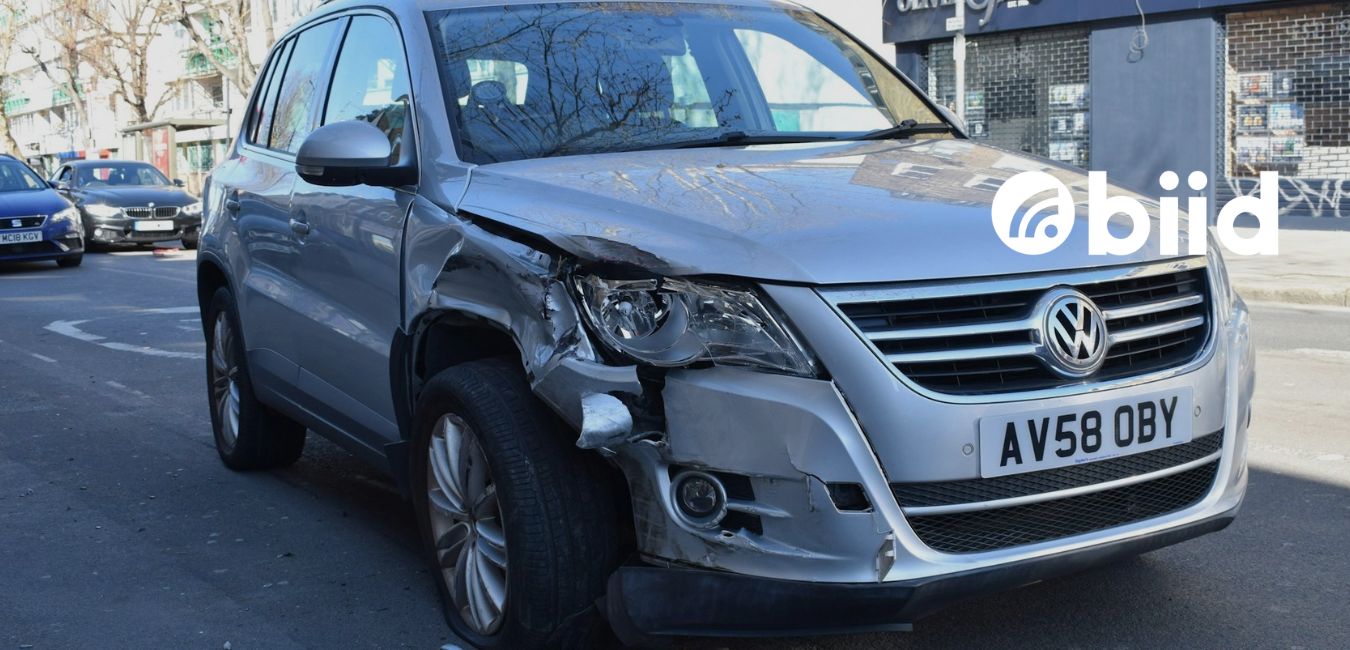
Small details can substantially change how a yield sign collision appears. A photograph showing an obstructed line of sight may explain why an approaching vehicle was difficult to see. Damage concentrated along the side of one vehicle may also suggest that it had already entered the roadway before the other driver reacted.
Useful information may include:
- Photographs of the sign, roadway, lane markings, and nearby obstructions
- Vehicle damage showing the location and direction of impact
- Dash camera, business camera, or traffic camera footage
- Police reports, repair estimates, and statements made shortly after the crash
Each item has limits when viewed alone. A police report may record what the drivers said without resolving every disputed fact. A witness may have seen the impact but not the moments leading up to it. The strongest review usually considers how several pieces of information fit together rather than treating one record as conclusive.
Consider a driver leaving a Charlotte shopping center through an exit controlled by a yield sign. The driver looks left, sees a vehicle in the distance, and begins a right turn. At the same time, the approaching vehicle moves from the inner lane into the outer lane and strikes the turning car. An early account might focus only on the yield sign, while a fuller review would also examine the lane change, the distance between the vehicles, the point of impact, and whether either driver signaled.
Why Can An Early Mistake Affect The Cost Of A Claim?
An unsupported assumption about responsibility can influence more than the repair process. It may affect rental vehicle expenses, lost income records, insurance negotiations, and the handling of other accident-related losses. If a driver accepts fault too quickly, an insurer may rely on that statement even when later evidence suggests a more complicated sequence.
Delays can create additional problems. Video may be overwritten, nearby businesses may lose recordings, and witnesses may forget important details. Repair work can also remove visible evidence of the impact. Preserving information early does not guarantee a particular result, but it gives the claim a stronger factual foundation.
Fault disputes are especially important in North Carolina because an allegation that an injured person contributed to the collision may have serious consequences for a claim. That makes precise wording and complete documentation valuable. A driver can describe what happened honestly without guessing about speed, distance, or legal responsibility.
Building A Clearer Path After A Disputed Crash
The practical next step is to compare the first account of the accident with the evidence that can be independently checked. Drivers can review photographs, confirm the exact road layout, identify possible cameras, and write down the sequence of events while the details remain fresh. If something in the original explanation no longer seems accurate, it is better to address the discrepancy than to force new facts into an incomplete version.
Insurance communications should also remain factual. Statements such as “I had the yield sign, so it was my fault” reach a legal conclusion without explaining what the other vehicle was doing. A more useful account describes where each vehicle was located, which direction it traveled, when it became visible, and where the impact occurred.
When Is A Legal Review Worth Considering?
A legal review may be helpful when the drivers disagree, the insurer relies heavily on the presence of the yield sign, or the financial consequences are significant. It can also provide clarity when video, witness accounts, or vehicle damage conflict with the initial report. Rosensteel Fleishman can review the available information and explain how the facts may fit within North Carolina’s accident claim process.
Attorney Matthew Fleishman offers a practical reminder: “The first version of a crash is not always the complete version.” That principle matters because a claim should reflect the full sequence of events, not just the most obvious traffic sign at the scene.
The presence of a yield sign is an important fact, but it is only one part of the accident. A steady path forward begins with preserving evidence, correcting unsupported assumptions, and evaluating both drivers’ actions in context. Those steps can produce a clearer account before an insurance decision or missed opportunity becomes difficult to change.


