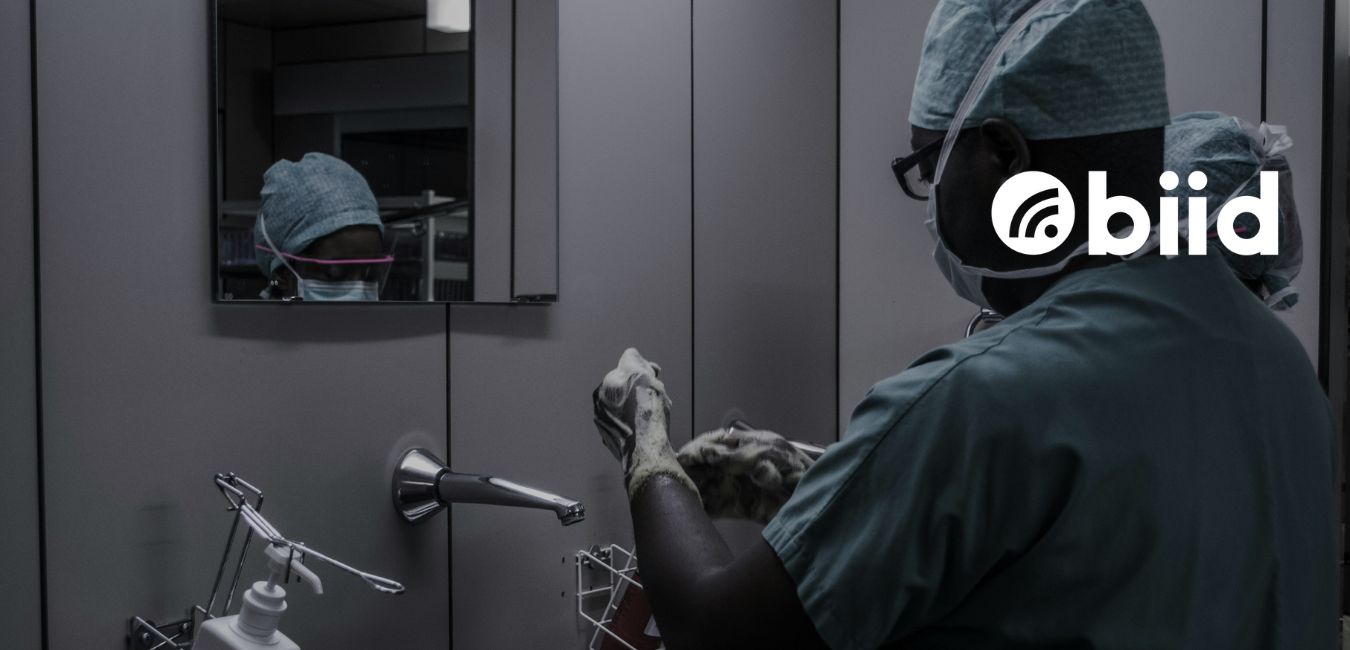
Hospital shift work is often a slippery slope of time management that has more to do with navigating through medical emergencies and ensuring personal health and social life remain in balance. Consequently, this article highlights the unexpected benefits and unique challenges that are encountered while working shifts at a hospital.
Table of Contents
Exploring The Dynamic World Of Hospital Shift Work
Unpredictable Shifts
Shifts in hospitals are famously unpredictable. Many times, healthcare professionals start their day with a plan, but it quickly becomes outdated due to emergency cases, sudden admissions of patients, or unforeseen complications. This unpredictability causes stress since it requires constant mental flexibility and adaptability. However, it also maintains a dynamic workplace because one faces different medical conditions that may enhance problem-solving skills and clinical expertise. Therefore, the art of being able to switch gears instantly is not only about testing a healthcare professional’s abilities but also results in significant job satisfaction and personal growth within the field.
Shifts With No Staff
At times, staff shortages exaggerate the difficulties faced during working hours. Exaggeration is an understatement – it can make shifts hell if they’re short-staffed.
Still, hospitals have some options, with many using outside agencies like a physician recruiter to fill the shifts. And it works well. Without them, a lot of wards simply wouldn’t run. Hospitals can also use advanced scheduling systems – but they don’t always work if people cancel their shifts. Still, it does aim to resolve some staffing issues.
Lack Of Sleep
Interrupted normal sleep patterns are a massive hurdle associated with shift work. Some people manage it well and others don’t – and there’s no denying that disturbed sleep affects your health. The science sadly proves that one.
Night shifts and rotating schedules can (and do) lead to sleep deprivation and negatively impact physical wellness and mental sharpness. Hospitals have become more aware of these problems, and they now have nap rooms and scheduling improvements to help employees cope with fatigue for better health outcomes. To address sleep challenges from shift work, many organizations are emphasizing encouraging good sleep hygiene among workers by providing resources for sleep management purposes in their facilities.
A Different Working Schedule
Although shift work presents various challenges due to its unpredictability, it offers flexibility rarely found in other professions. Is it for everyone? No. Does it work well for a lot of people? Yes.
Quite a few health workers take advantage of having a few long shifts in a row followed by several days off, which they can utilize for traveling, developing hobbies, or enjoying time with their families. There aren’t many jobs where you can cram your working hours into three days.
And – this program also helps people to have shorter distances between work and home, enabling them to attend day meetings or even functions that would otherwise be impossible given a conventional 9-5 job.
People who aim to balance their personal and professional lives may consider this an essential advantage.
While hospital shift work can be demanding (and make you want to cry), it also offers unique advantages that can suit the lifestyle and professional aspirations of many healthcare workers. It’s not all bad, we promise.


